
Near East University is committed to promoting safe, accessible, and environmentally responsible mobility across its campus. Emphasizing pedestrian and traffic safety alongside sustainable commuting options, the university encourages walking, cycling, and the use of public transportation to create a safer, greener, and more sustainable campus environment for everyone.
Pedestrian and Traffic Safety at Near East University
Near East University places a strong emphasis on creating a safe, accessible, and pedestrian-friendly campus, reflecting its commitment to promoting sustainable commuting and protecting the well-being of students, staff, and visitors. The university’s approach is guided by clear purpose, vision, and mission statements focused on pedestrian safety and traffic management.
NEU Pedestrian Priority:
- Respect for Pedestrians: Crosswalks, sidewalks, and walking paths are designed to ensure safety and accessibility for everyone on campus.
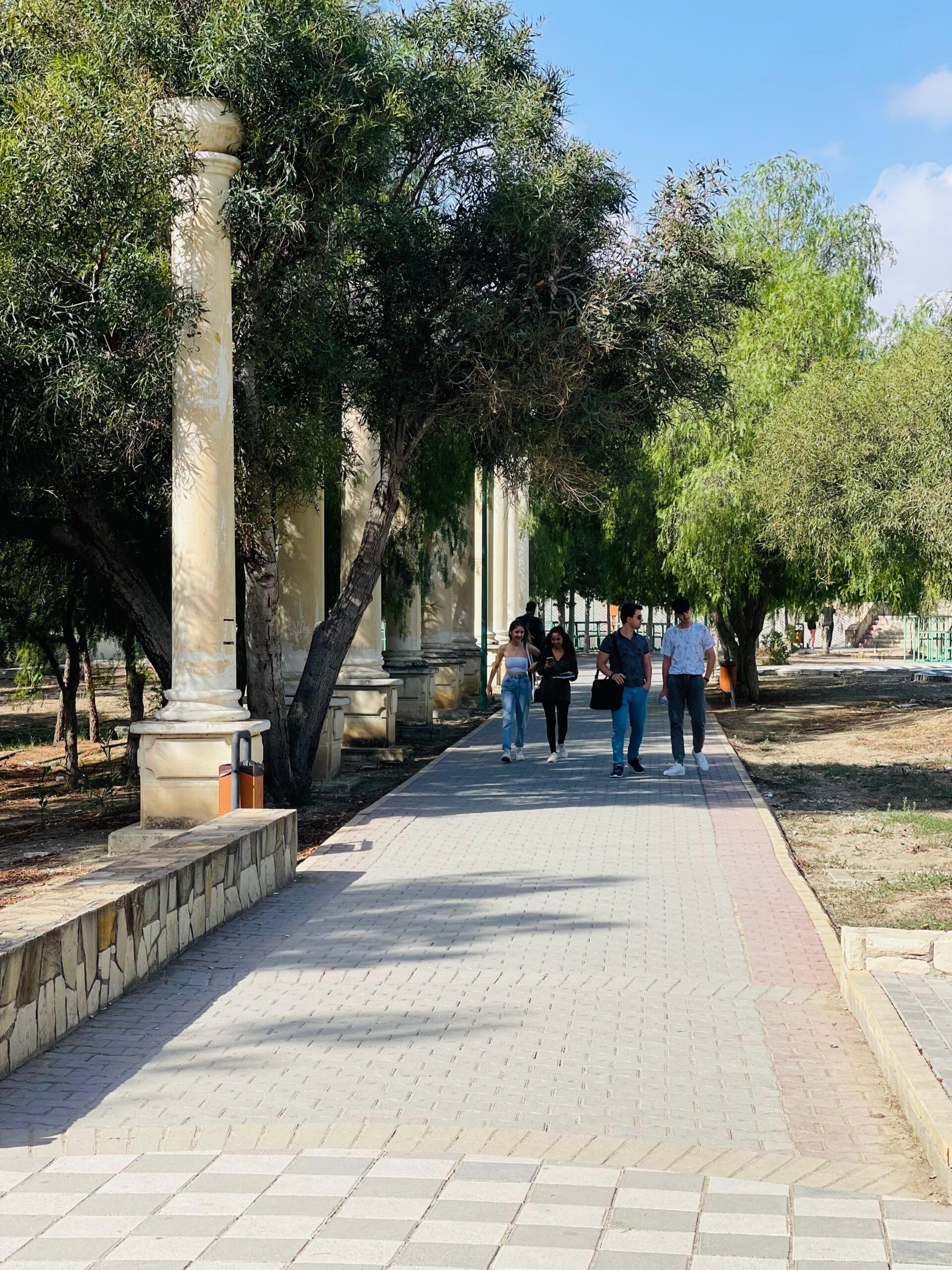
- Pedestrian-Centered Infrastructure: Pathways, green areas, and rest zones are incorporated to make walking across campus comfortable and secure.
- Traffic Regulations and Speed Limits: Campus traffic is carefully controlled, with a maximum speed limit of 40 km/h, dedicated lanes, and right-of-way rules to protect pedestrians and cyclists.
- Bicycle and Alternative Transportation: NEU encourages eco-friendly commuting with safe bike lanes and designated paths for cyclists and scooter users.
- Education and Awareness: Students and staff are regularly informed about pedestrian safety, traffic rules, and best practices for walking and cycling on campus.
- Monitoring and Enforcement: NEU security monitors traffic 24/7, enforcing regulations and ensuring smooth traffic flow. Loud noises, honking, and disruptive driving behaviors are prohibited.
- Designated Routes and Parking: Vehicles must follow established routes and park in assigned areas, maintaining safety and order.


NEU Traffic Rules and Safety
Near East University is committed to maintaining a safe and sustainable campus environment. To support this, clear traffic regulations have been established to ensure the safety and comfort of students, staff, and visitors. NEU security personnel monitor compliance around the clock, and penalties are applied when necessary.
Traffic Flow and Priority
Traffic on campus follows the left lane. Drivers are expected to keep to the left and respect right-of-way rules to ensure smooth movement for everyone.
Pedestrian and Bicycle Priority
Designated crosswalks and bike paths give priority to pedestrians and cyclists. Speed limits are enforced to create a safe environment for all campus users.
Speed Limit
The maximum speed within the campus is 40 km/h. Observing this limit is essential for preventing accidents and maintaining overall safety.
Horns and Noise
Honking and loud music are not allowed on campus, helping to maintain a calm and peaceful atmosphere.
Routes and Parking
Using designated routes and parking areas ensures safe driving. Vehicles must be parked only in authorized areas in accordance with campus regulations.
Monitoring and Security
Campus traffic is monitored by NEU security staff. These measures support smooth transportation, safety, and a peaceful working environment for everyone.
Traffic rules are clearly displayed at all main campus entrances.


Through these measures, Near East University not only supports sustainable commuting but also promotes a culture of pedestrian respect and safe mobility, contributing to a greener, safer, and more sustainable campus and community in Nothern Cyprus.
At Near East University, providing convenient campus access is one of our top priorities. We have free university buses that transport students, staff and visitors to the city centre and various parts of Northern Cyprus to reduce car usage and promote shared transport. Our campus is designed so that all needs can be met within walking distance which encourages physical activities and reduces the need for motorized transport. We also offer alternative transport options on and off campus, such as bicycles and electric scooters, making it easy for everyone to reach their destinations in eco-friendly ways.
Commuting by bus
Our university offers free shuttle services between Campus Nicosia and Nicosia – Campus from 06:45 a.m. to 10:00 p.m. Additionally, we provide free shuttle services to Girne, Mağusa and Güzelyurt. Within the campus, we also offer shuttle services connecting the dormitory area with various units.
Click here for detailed Transportation Service Information:


Commuting with bicycles
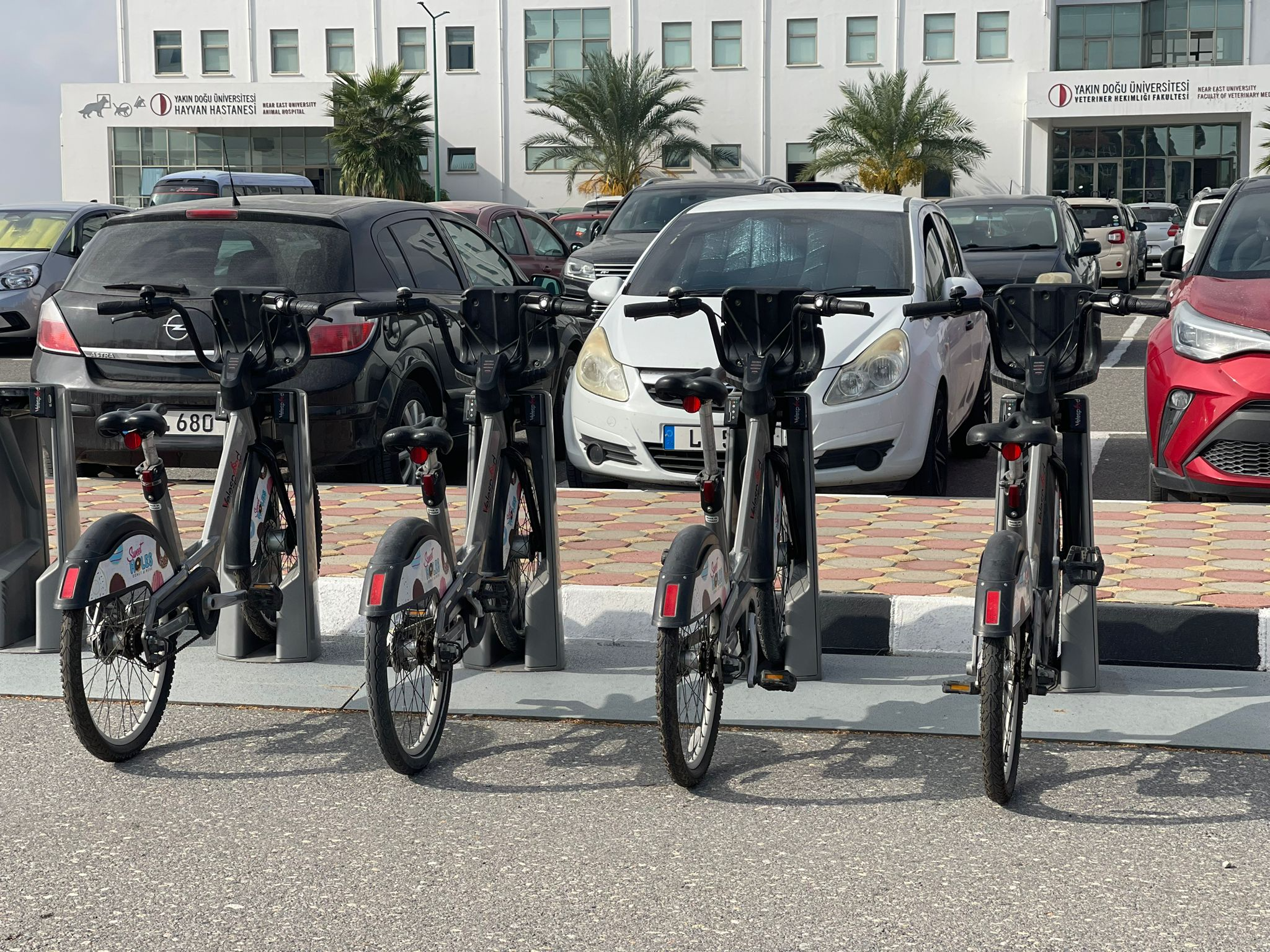
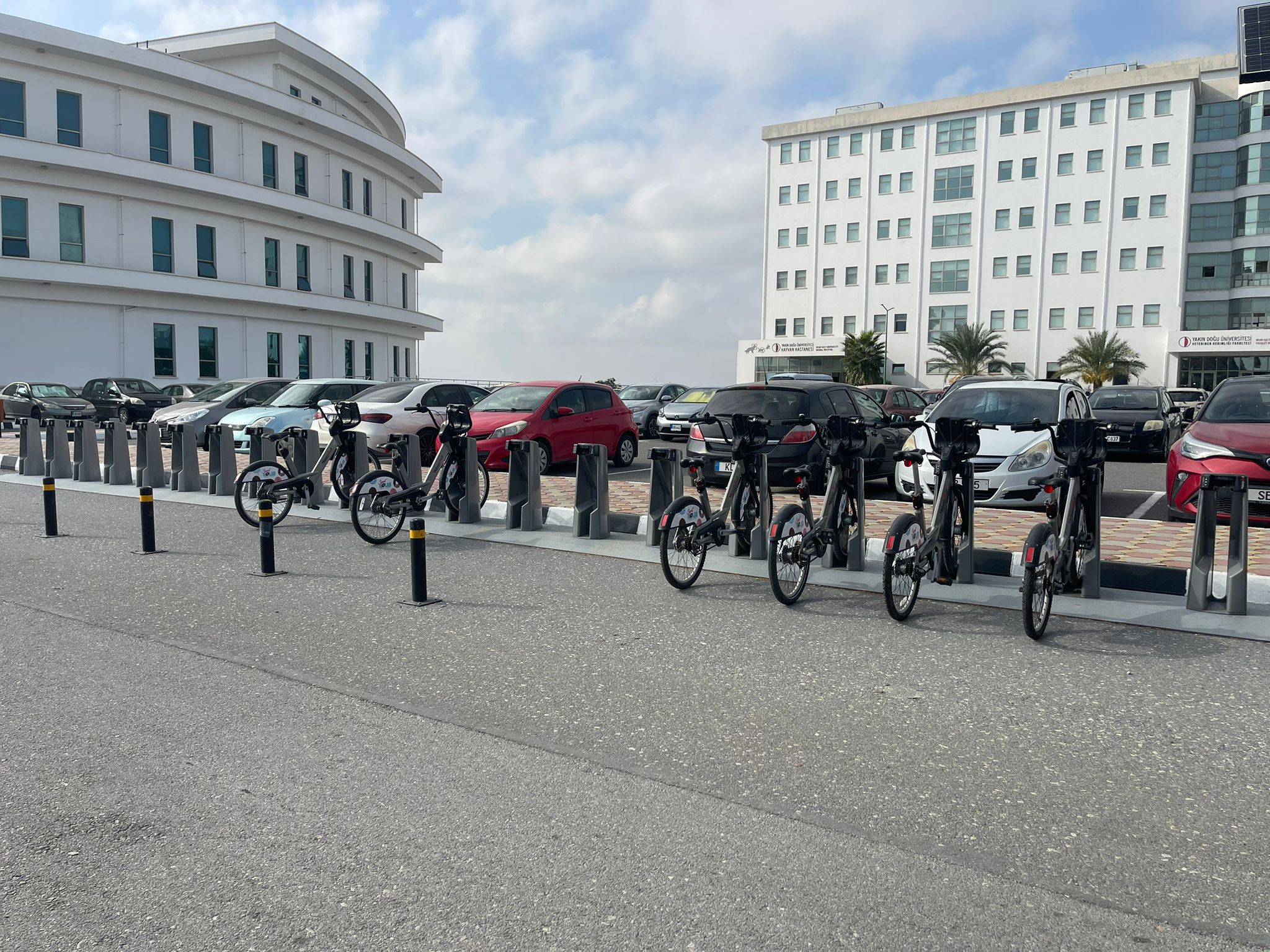
100% of the students and employees who choose to commute to the university by bicycle successfully reach the campus. As a result of the collaborations with Velespeed, it is estimated that the proportion of students cycling to the university will increase to 10% in the next 5 years. Commuting by bicycle offers an eco-friendly, cost-effective mode of transportation. They promote physical exercise, reduce traffic congestion, and improve mental well-being. Overall, commuting with a bicycle provides an efficient, healthy, and sustainable transportation option that offers numerous advantages for students and communities.
Commuting with electric scooters
The use of electric scooters has become increasingly widespread on campus among students and staff, serving as a sustainable solution to combat air pollution and greenhouse gas emissions and reducing fossil fuels. They effectively alleviate traffic congestion and minimize noise pollution within the campus. Additionally, electric scooters encourage physical activity, simplify parking, and result in cost savings for maintenance.


Commuting with electric shuttle bus
The electric shuttle buses operating on the Near East University campus play a vital role in promoting an environmentally friendly campus. These services, offered free of charge to students, staff and visitors, reduce the campus’ carbon footprint by encouraging sustainable transportation. The shuttles, which provide transportation to the dormitories-IKAS market and the IKAS market-dormitories on campus, not only support the university’s green initiatives, but also enhance the overall campus experience for everyone. This initiative reflects the university’s commitment to promoting a sustainable and forward-thinking environment.

Commuting with others (cars, etc.)

Commuting on foot
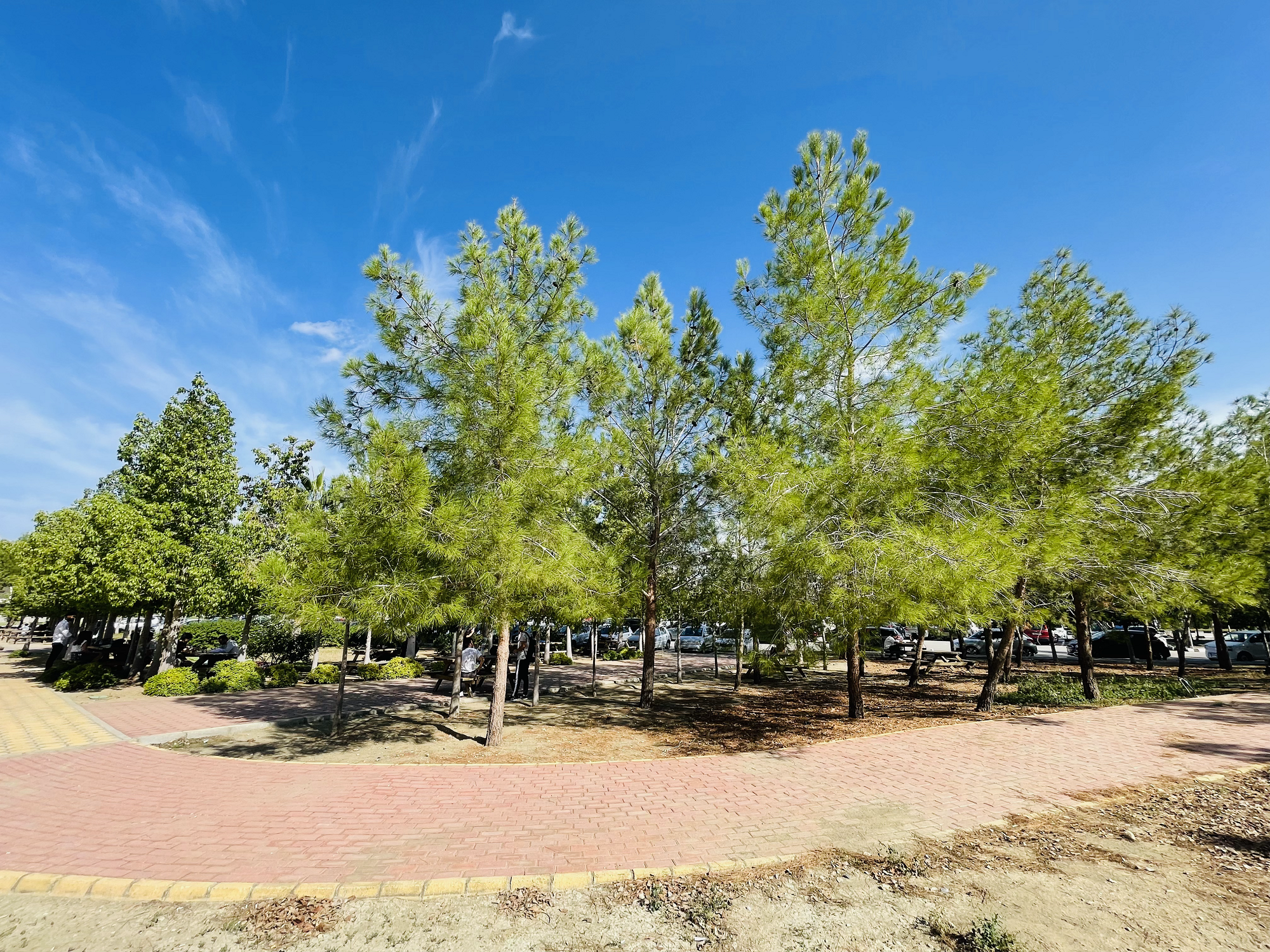
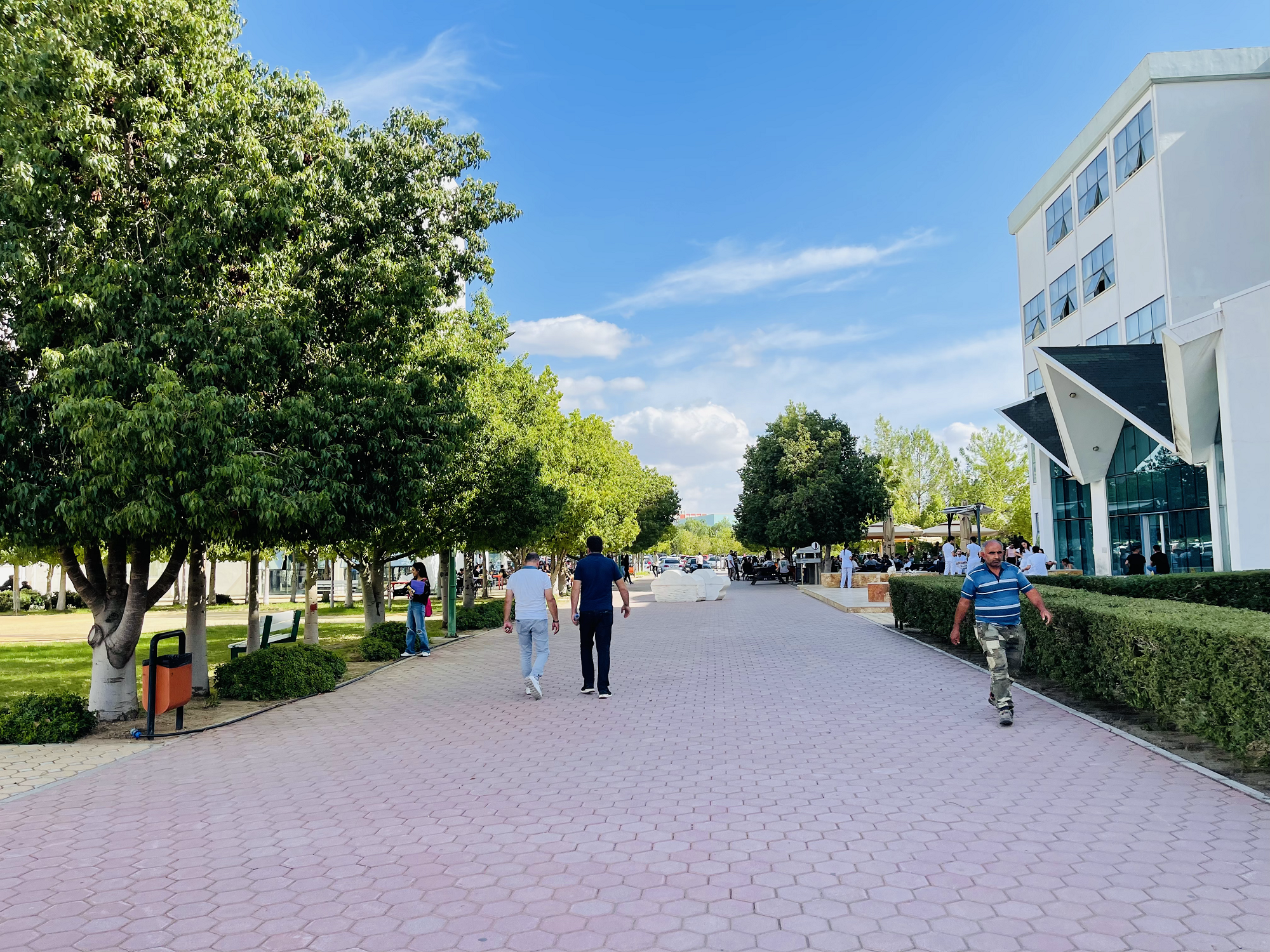
The presence of walking paths within the campus enables students, staff and all visitors to cover distances safely by providing a safe and comfortable commute on foot.
Measures and targets
We invite all members of the Near East University community to join us in this crucial initiative. Together, we can reduce traffic congestion, lower greenhouse gas emissions, and create a more sustainable and livable campus.
Measured Sustainable Commuting
Commuting by bus: Near East University has sufficient bus capacity to accommodate anyone who wishes to use the service. Sixty percent of students and staff use the university's complimentary bus service for their commute.
Commuting by bicycle: Our university offers a bike rental facility that all students and staff can utilize. Five percent of students and staff cycle to the university.
Commuting with walking: At Near East University, the dormitories and staff lodgings are strategically located within walking distance of all academic and administrative units, encouraging walking as a viable commuting option. Indeed, 10% of our students and staff currently prefer to walk to their destinations on campus.
Commuting with an electric shuttle bus: Our university offers an electric shuttle bus on campus that all students and staff can utilize. Five percent of staff and students use the shuttle bus.
Commuting by other means (cars, etc.): Twenty percent of students and staff commute to the university using alternative methods, primarily by car.
Commuting Targets
Increasing Non-Motorized Transportation: In collaboration with Velespeed (https://tr.velespeed.net), Near East University targets an increase in the percentage of students commuting by bicycle to 10% in the next year, ensuring that 100% of students who choose to commute by bike can do so effectively. This partnership is part of a larger initiative to boost walking, cycling, and other non-motorized transport modes by 20% over the next five years, promoting a healthier, more sustainable approach to student transport to campus.
Increasing of Bus Service Usage: Near East University targets the enhancement of its bus services to establish them as a more favored choice among commuters by increasing the routes and frequency, striving for a 5% increase in bus usage by the next year. This initiative is integral to the university's broader efforts to advance public transportation services and incentivize their use, with the aim to boost total ridership by 25% over the coming five years.
Supporting of Electric and Low-Emission Vehicles: Near East University is devoted to enhancing the adoption of electric vehicles on its campus, with a specific focus on endorsing GÜNSEL Electric Vehicles (https://www.gunsel.com.tr), which exemplify the university's dedication to innovation and eco-friendliness. In line with this endeavor, our target is to have 50% of the vehicles coming to our university be electric by the year 2030. We plan to achieve this by enlarging our electric vehicle support facilities, adding more charging stations, and providing more reserved parking spaces for electric vehicles. Additionally, university targets to boost the use of electric scooters among both staff and students on campus by organizing awareness and training sessions to encourage this mode of transportation.